

For long stretches of time in my tenure as an Angeleno I have been frequenting Woman’s/Women’s Clubs for a variety of things – none of which have much, or anything, to do with their historical purposes. But there is a part of me that wishes it did. A history of woman meeting as a collective to change the future of politics, education for women, lobby, advocate, learn and make an impact for themselves, but also for future generations of women. What would it have been like to bear witness to these meetings where thousands of women attended – fearlessly – and stood shoulder to shoulder impacting change?
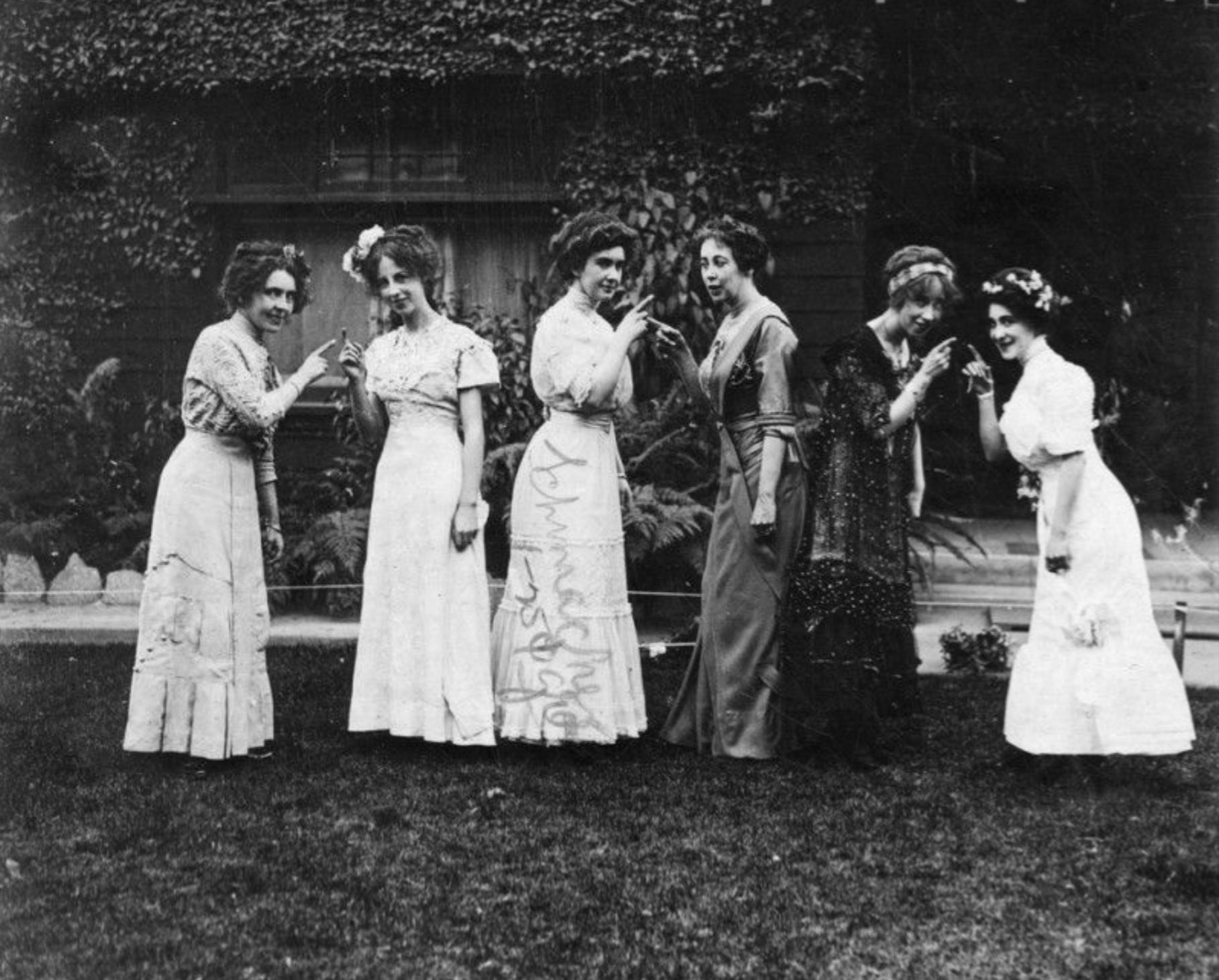
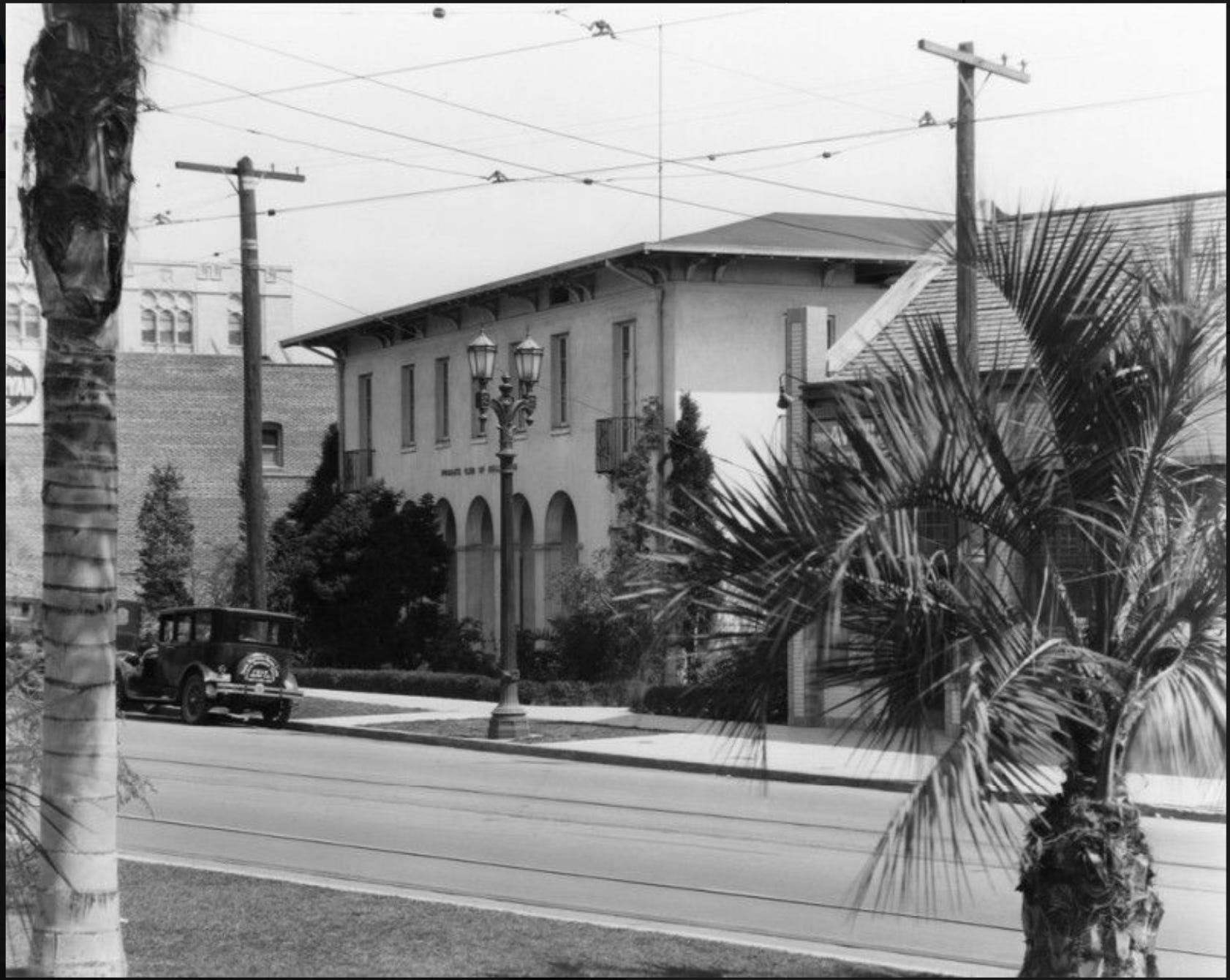
I attended the Woman’s Club of Hollywood on Saturday mornings, and some weekday evenings, for years to perform at casting director workshops. It is a beautiful, historical building in the middle of absolute chaos - right smack in the middle of Hollywood. Lucky for us actors that attended regularly, the Woman’s Club of Hollywood had its own parking lot – making it an absolute gold mine for investors, I’m sure. Absolutely unheard of in Hollywood. Then there’s the La Crescenta Woman’s Club where I’ve attended fundraising events like a Casino Night – a school PTA fundraiser. And there’s the Women’s Twentieth Century Club in Eagle Rock where I had the privilege of sitting in the audience at a book Q & A with crime/mystery writer Marjorie McCown.
Marjorie is no stranger to the mysterious and intriguing bit of Hollywood. After reading her novels and hearing her speak, I couldn’t imagine a better venue for such an author. It was extraordinary, truly. It also made me deep dive into the world of women in L.A. at the turn of the century and what kind of mysteries would the women of the Twentieth Century Club be willing to cover up for each other… I’ll leave that thought there for a moment so we can jump into an incredible Killing Time with Marjorie this week!! Trust me when I tell you to grab a copy of Final Cut and Star Struck – and thank me when you’re done reading!
Let’s get into it!
1. Tell me about a crime (or noir crime) podcast, book, film or TV show that made you think: “Damn. That’s the tone I’m always chasing.”
Maybe it’s because I spent so many years working behind the scenes in movies, but I still think Chinatown is the perfect noir film about Los Angeles. It’s elegant, tragic, morally complicated, and understands that a city can be both beautiful and corrupt at the same time. I watch it at least once a year.
But if we’re talking about the tone I’m always chasing as a writer, I’d point to Deanna Raybourn’s Killers of a Certain Age and Kills Well with Others. Those books are conversational, intimate, and wickedly funny while never losing sight of the danger. The characters feel like people you’d happily have dinner with—except they’re also highly trained assassins.
That’s the magic I admire: stories that can be suspenseful and dark, but are also deeply rooted in friendship, loyalty, and human connection. I love crime fiction that lets you laugh, worry, and hold your breath all at the same time.
2. What is most important in a great crime story: the crime, the setting, or the damage left behind?
All three matter, but if I have to choose, I’d say the damage left behind, because to me what matters most in any story is the characters. A great setting can become a character in its own right, actively shaping the choices people make, and the crime, of course, has to be compelling enough to pull us through the story. But what stays with me long after I’ve closed the book is watching the characters grapple with the consequences of what happened and emerge fundamentally transformed.
3. Hot take. What’s your personal red flag or, what gives you the ick immediately in a crime novel, film, podcast, or TV show?
Violence toward animals. That’s my immediate red flag. I don’t judge writers who include it—it just isn’t something I can read or watch. If someone hits a deer with a car and the story lingers on the animal’s suffering, I’m out. And if someone deliberately hurts an animal, I’m doubly out.
4. What is the best (fictional or real) respite spot (ex. Bar, coffee shop, beach house) in a crime novel, film, TV show, and what terrible decision are we making there?
For me, one of the most interesting respite spots in contemporary crime fiction is social media. It’s become the modern equivalent of the neighborhood coffee shop—a place where we unwind, catch up with friends, and lose ourselves for a few minutes. Contemporary crime fiction has transformed that familiar space into fertile ground for online financial scams, identity theft, cyberstalking, and blackmail. The terrible decision? Mistaking familiarity for safety and forgetting how many digital breadcrumbs we’re leaving behind.
5. Lastly, what city/part of California do you think is secretly the most noir right now?
Orange County. Without question.
Last year, a local law enforcement official spoke at my local Sisters in Crime chapter and told us that Orange County is one of the main hubs for human trafficking on the West Coast. Talk about a clash between a polished public image and hidden moral darkness. Who would’ve guessed that one of the wealthiest counties in the state—with its conservative reputation, beautiful beaches, and Disneyland—would also be home to such a significant human trafficking network?
Now that’s noir to me.
6. What are you working on now?
I’m working on another behind-the-scenes Hollywood mystery, and it’s led me down some wonderfully unexpected rabbit holes, offering an even broader view of the film industry. I’d rather not say much more just yet because part of the fun—for me and, I hope, for readers—is discovering the story as it unfolds.
Award-winning author Marjorie McCown spent more than twenty years in Hollywood, working on costume design teams for films including Forrest Gump, Apollo 13, The Curious Case of Benjamin Button, and X-Men: Days of Future Past before turning to fiction. Her behind-the-scenes experience inspired her Hollywood Mystery novels, Final Cut and Star Struck. Final Cut was an Amazon Editors’ Pick, and both novels received PenCraft Best Seasonal Book Awards and were selected for the Los Angeles Public Library blog’s “Favorite Books of the Year” list.
I enjoyed reading this so much. The insights about social media and Orange County are especially fire. 🔥 Marjorie, your mind works in such an intriguing way!
Ummm. Can you ladies do a collaborative who-done-it? Set at the turn of last century, behind-the-scenes intrigue as women started these Club's?