

Remember when we talked about horror and thriller sharing space? Divided by a very thin line in a lot of instances? Well, when I was interviewing our next guest, a few years back on my podcast, Make That Paper, I couldn’t shake the feeling of sheer terror I felt when we began talking about the work Jamie did as an editor on papers about California’s historic past with Native Americans. So much building near, on, or around burial sites. Which is also why theres the popular trope in horror films that all of California is an ancient burial site.
Just our one-time discussion led me down a rabbit hole of discovering even more of our dark history as settlers. In the following years my son started elementary school and began studying the states historic missions and my god did we fall even deeper into the history of the Native Tribes of California. California State laws now require work to stop if human remains are discovered so archaeologists and, when appropriate, tribal representatives can determine how to proceed. And that’s where my thriller mind starts kicking in - “when appropriate” because, yeah, there’s a lot of space in this state to dump a body where it may never be discovered. Consumed by the environment, or wild animals, or corporate greed that says - keep it quiet and pour the concrete…
For now, let’s get into it with Jamie!!! Her answers are so good - just try to not run and order every single one of her books right after! I dare you.
1. Tell me about a crime (or noir crime) podcast, book, film or TV show that made you think: “Damn. That’s the tone I’m always chasing.”
Currently, Widow’s Bay. But in the beginning there was Prime Suspect. Kate Atkinson’s Case Histories actually came out after my first Blue Deer novel, but Jackson Brodie and Jules Clement are akin, and I loved watching her go for it.
2. What is most important in a great crime story: the crime, the setting, or the damage left behind?
Impossible to answer--I’ve got to say the characters, then the plot, then the sticking the landing. That’s the rarity. Consider Presumed Innocent or Gone Girl—they could have been anywhere, and while there's considerable damage, the characters earn it. There’s not many books that manage to both have heart and pull that kind of ending off—maybe oddities (again) like Case Histories, The Spy Who Came in from the Cold, Mystic River, Tana French and Denise Mina.
3. Hot take. What’s your personal red flag or, what gives you the ick immediately in a crime novel, film, podcast, or TV show?
I just can’t do dead kids. Secondarily, I’m pretty tired of lonely alcoholic PIs if they have no sense of humor. If they have humor—see Carl Hiaasen or Tod Goldberg—all is forgiven.
4. What is the best (fictional or real) respite spot (ex. Bar, coffee shop, beach house) in a crime novel, film, TV show, and what terrible decision are we making there?
Bed; sleep. Doesn’t matter if it’s a castle or a train. Don’t let your guard down.Tell me the last well-rested cop/detective/central character you remember meeting.
5. Lastly, which city/part of California do you think is secretly the most noir right now?
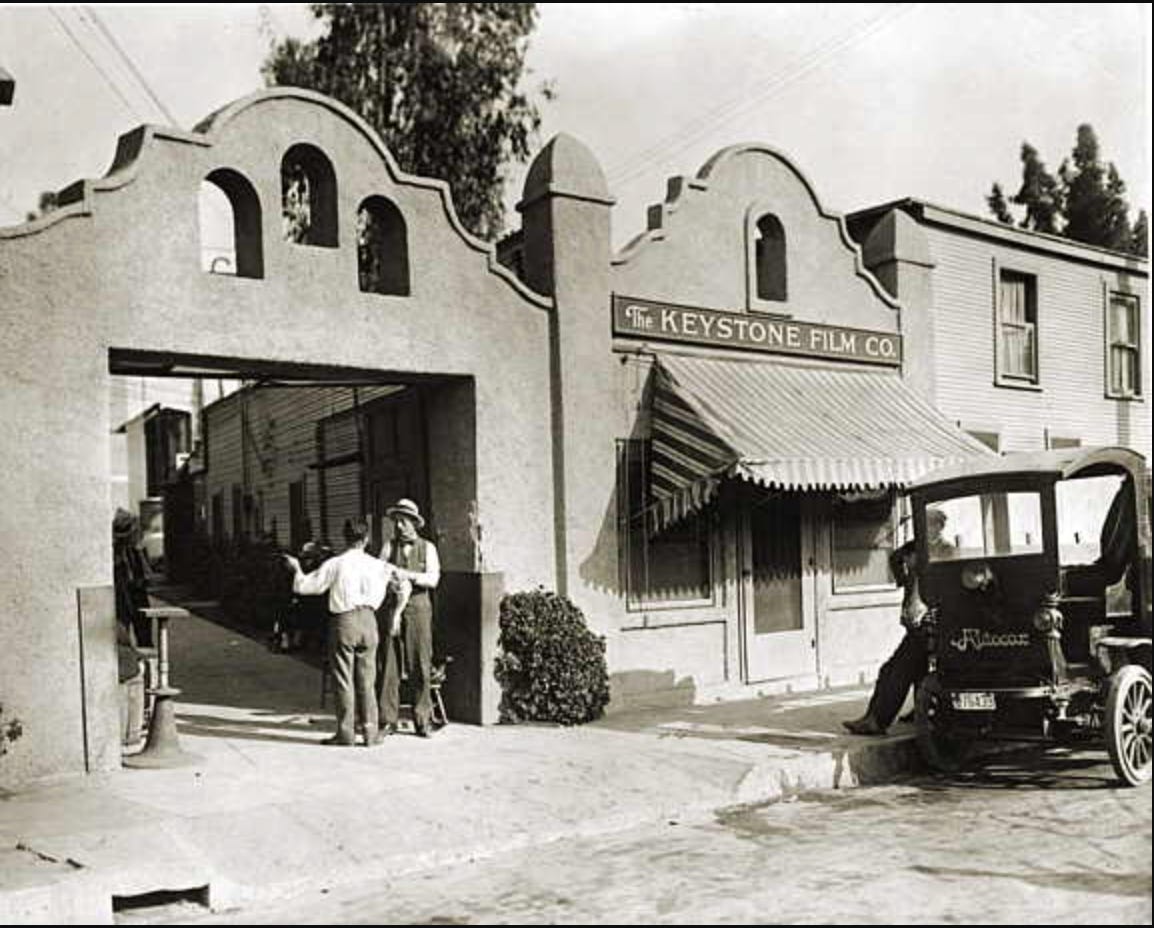
I’d say Edendale, but that doesn’t seem secret. The woods around Redding are more of a slasher film. Maybe the slice of the state that’s moved to Montana expecting ease, happiness, and small town sweet.
6. What are you working on now?
Too many things! Finishing a draft of a Jules mystery, thinking over a return to the characters in The Widow Nash (which plays into my Edendale answer), and a horror story I’ll call The Life of the Party.
Jamie Harrison has lived in Montana with her family for more than thirty-five years. She’s worked as a caterer, a gardener, and an editor, and is the author of seven novels, including the upcoming Jules Clement series: The River View (August 2024) and four other novels set in the fictional town of Blue Deer, Montana: The Edge of the Crazies, Going Local, An Unfortunate Prairie Occurrence, and Blue Deer Thaw, all reissued in July 2024. The Center of Everything (2020) and the The Widow Nash (2017) share two key characters; The Widow Nash was awarded the Mountains & Plains Independent Booksellers Association Reading the West Book Award, and was a finalist for the High Plains Book Award.